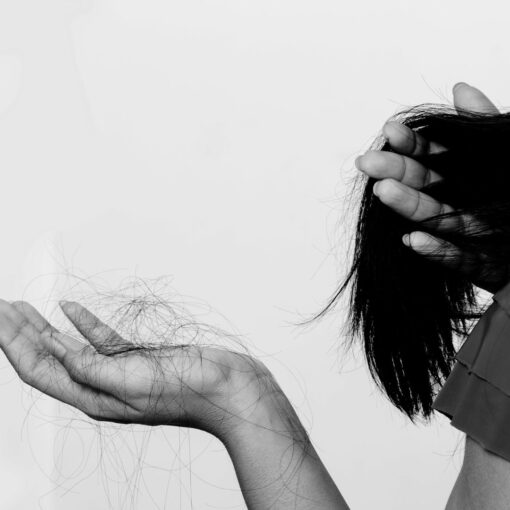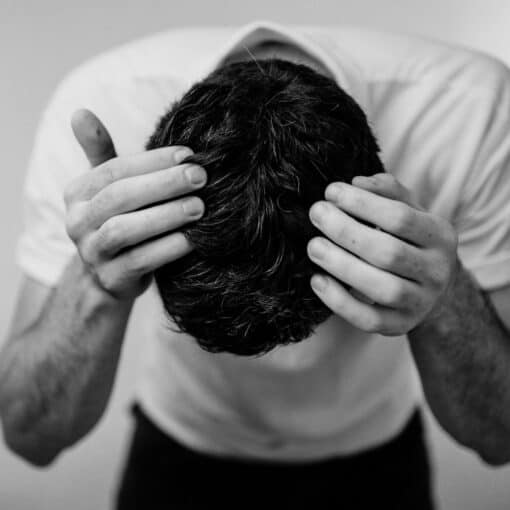
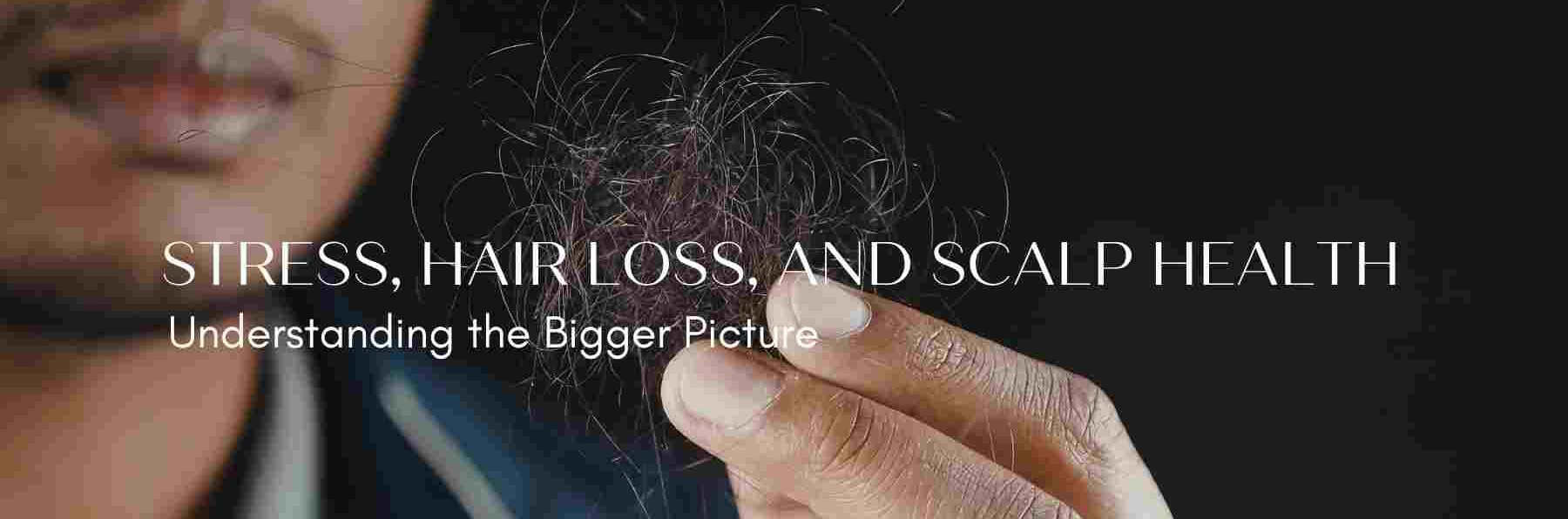
Hair loss is one of the most common concerns in the UK, affecting both men and women at different stages of life. Searches such as “hair loss treatment UK”, “why is my hair falling out”, and “hair thinning causes” reflect how many people are looking for clear answers.
While hair loss is often seen as a cosmetic issue, it is frequently linked to deeper factors such as stress, scalp health, and overall wellbeing.
The Link Between Stress and Hair Loss
Stress is a major contributor to temporary hair loss, particularly a condition known as telogen effluvium.
When the body experiences ongoing physical or emotional stress, it can disrupt the normal hair growth cycle, causing more hairs to enter the shedding phase earlier than usual.
Common triggers of stress-related hair loss include:
- Work pressure and burnout
- Major life events or emotional distress
- Illness or recovery from surgery
- Poor sleep and long-term anxiety
A key characteristic of this type of hair loss is delayed shedding, often occurring 2–3 months after the stressful event. This delay is why many people don’t immediately connect stress with hair thinning or excessive shedding.
Scalp Health and Hair Thinning
Healthy hair growth begins with a healthy scalp. In many cases of hair thinning in men and women, the scalp environment plays a crucial role.
Stress can affect scalp health by:
- Increasing inflammation
- Disrupting natural oil (sebum) balance
- Causing dryness, itchiness, or sensitivity
- Reducing circulation to hair follicles
Over time, an imbalanced scalp can contribute to diffuse hair thinning, one of the most common types of hair loss in the UK.
Stress-Related Hair and Scalp Conditions
Several conditions linked to hair loss and scalp problems can be influenced by stress:
Telogen Effluvium
A temporary but often noticeable increase in shedding caused by stress, illness, or hormonal changes.
Alopecia Areata
An autoimmune condition that can be triggered or worsened by stress, leading to patchy hair loss.
Seborrheic Dermatitis
A common scalp condition involving flaking and irritation, often aggravated by stress and lifestyle factors.
Supporting Hair and Scalp Health
While not all hair loss can be prevented, there are several ways to support healthier hair growth and scalp function:
- Managing stress through exercise, rest, or mindfulness techniques
- Eating a balanced diet rich in iron, zinc, protein, and vitamins
- Using gentle, scalp-friendly haircare products
- Avoiding excessive heat styling and tight hairstyles
- Seeking early advice if hair thinning becomes noticeable
These steps can help support individuals experiencing stress-related hair loss or general hair thinning.
Hair loss can be unsettling, particularly when it appears suddenly or is linked to periods of stress. However, understanding the connection between stress, scalp health, and the hair growth cycle can make the experience easier to manage.
In many cases, stress-related hair loss is temporary, and improvement is possible once underlying triggers are addressed.
Taking a proactive, informed approach is key to supporting both hair health and overall wellbeing.