Why Am I Losing So Much Hair? 10 Possible Causes of Hair Loss
Noticing more hair than usual on your hairbrush, pillow or in the shower can be worrying. While some daily hair shedding is completely normal, a noticeable increase in shedding or gradual thinning can sometimes indicate an underlying cause that is worth investigating.
The good news is that hair loss has many possible causes, and not all hair loss is permanent. Understanding what may be behind the change is an important first step towards finding the right approach.
At Aderans Hair Centre, our trichology services are designed to help identify factors that may be contributing to hair and scalp concerns and provide personalised guidance based on your individual needs.
How much hair loss is normal?
It’s normal to shed hair every day as part of the natural hair growth cycle. The American Academy of Dermatology notes that losing around 50–100 hairs a day can be normal.
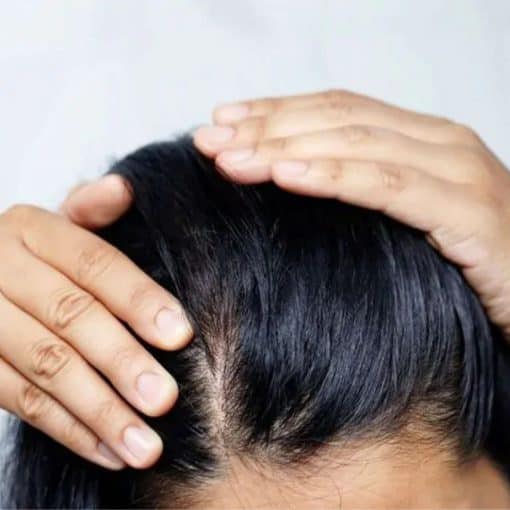
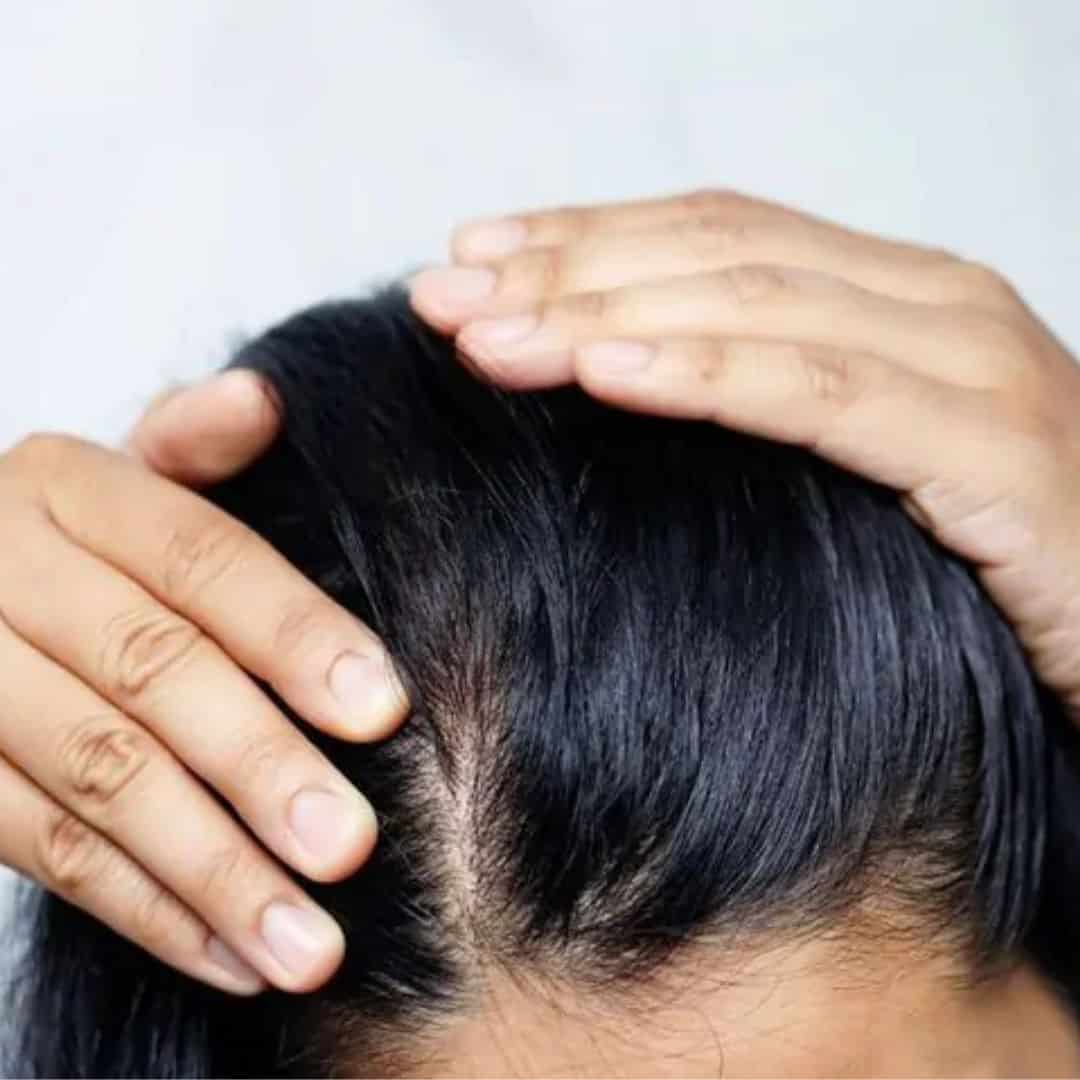
However, if you suddenly notice significantly more hair coming out, a widening parting, a thinner ponytail, a receding hairline or visible areas of reduced density, it may be time to look more closely at what is happening.
Here are 10 possible reasons for increased hair shedding or hair loss.
1. Stress and major life events
Stress can have a significant effect on the hair growth cycle. Following a period of intense physical or emotional stress, some people experience excessive shedding known as telogen effluvium.
Interestingly, this type of shedding may not happen immediately. It can become noticeable a few months after the event that triggered it, which can make it difficult to connect the two. Stress, illness, surgery, high fever and significant weight loss are among the possible triggers.
The good news is that this type of shedding can often improve once the underlying trigger has passed.
2. Hormonal changes
Hormones can influence the hair growth cycle, which means changes in hormone levels may contribute to increased shedding or thinning.
Hormonal changes can occur during different stages of life, including pregnancy, after childbirth and around menopause. Conditions such as polycystic ovary syndrome (PCOS) can also be associated with hair loss.
If you have noticed a change in your hair alongside other hormonal symptoms, it may be worth discussing this with your GP or a qualified professional.
3. Hereditary hair loss
Genetics are one of the most common causes of hair loss.
Also known as androgenetic alopecia, hereditary hair loss can affect both men and women. In men, it commonly appears as a receding hairline or thinning around the crown. In women, gradual thinning and a widening parting are common signs.
Because hereditary hair loss can progress gradually, it is easy to overlook the early signs.
4. Nutritional deficiencies
Your hair needs a range of nutrients to grow normally. Not getting enough nutrients such as iron or protein can contribute to hair loss.
This is one reason why taking random “hair growth” supplements isn’t necessarily the answer. More isn’t always better, and excessive amounts of certain nutrients can actually be harmful.
If you are concerned that your diet or nutritional status could be contributing to your hair loss, speak to your GP or healthcare professional about whether appropriate testing may be needed.
5. Thyroid problems
Changes in thyroid function can sometimes cause noticeable changes to the hair.
Some people with thyroid disease experience thinning hair, while others may notice increased shedding. Treating the underlying thyroid condition can help the hair recover in some cases.
If your hair has changed alongside symptoms such as tiredness, changes in weight, sensitivity to temperature or other unexplained changes, speak to your GP.
6. Illness, infection or recovery from illness
Hair loss can sometimes appear after your body has been through a period of physical stress.
High fever, significant illness, surgery and other major physical stresses can trigger increased shedding several weeks or months later.
This delayed response can understandably be confusing. You may have completely recovered from the illness by the time you start noticing more hair in your brush.
7. Tight hairstyles and repeated tension
Regularly wearing hairstyles that pull tightly on the hair can put continued stress on the hair follicles.
This can lead to traction alopecia, a type of hair loss associated with repeated tension. Tight ponytails, buns, braids and other styles that place ongoing pressure on the scalp can contribute to the problem.
If you regularly wear your hair tightly styled, giving your hair and scalp periods of reduced tension can help minimise further damage.
8. Hair and scalp conditions
Sometimes hair loss is linked to an underlying scalp condition.
Conditions affecting the scalp can cause inflammation, irritation or damage that may be associated with hair loss. Examples include scalp infections and scalp psoriasis.
If you have noticed hair loss alongside persistent itching, redness, scaling, soreness or changes to the scalp, professional assessment can help determine what may be happening.
9. Alopecia areata
Not all hair loss is gradual.
Alopecia areata is an autoimmune condition that can cause sudden, patchy hair loss. It may affect the scalp as well as other areas where hair grows, including the eyebrows and eyelashes.
If you notice a sudden bald patch or rapid change in hair density, it’s important to seek appropriate professional advice rather than assuming it is simply normal shedding.
10. Medication and medical treatments
Some medications can have hair loss as a possible side effect. Certain medical treatments, including chemotherapy, can also cause significant hair loss.
If you think a medication may be affecting your hair, don’t stop taking it without speaking to the doctor who prescribed it. They can advise you on possible side effects and whether there are alternative options.
Hair shedding or hair loss – what’s the difference?
One of the most important things to understand is that shedding and hair loss aren’t always the same thing.
Increased shedding can happen temporarily when more hairs enter the shedding phase of the hair cycle. Hair loss, on the other hand, can occur when something interferes with the normal growth of the hair.
Some people can experience both.
This is why trying to diagnose the cause based purely on how much hair you see in the shower isn’t always reliable. A professional assessment can help identify patterns and potential contributing factors.
When should you seek professional advice?
Consider seeking professional advice if you have noticed:
-
Sudden or significant increases in hair shedding
-
Gradual thinning that is becoming more noticeable
-
A widening parting
-
A receding hairline
-
A thinner ponytail
-
Bald or patchy areas
-
Changes to your scalp alongside hair loss
-
Hair loss that continues without an obvious explanation
Early assessment can be particularly valuable because the appropriate approach depends on the underlying cause.
Understanding your hair is the first step
There isn’t one single cause of hair loss, and there isn’t one solution that works for everyone. Genetics, hormones, nutrition, stress, illness, scalp health and hair-care habits can all play a role.
Rather than trying product after product or guessing what might be causing your hair loss, getting a professional assessment can help you understand what may be happening and what options may be appropriate for you.
Concerned about your hair or scalp?
At Aderans Hair Centre, our trichology services can provide a professional assessment of your hair and scalp concerns, helping you better understand your individual situation and explore suitable next steps.
Book a trichology consultation with Aderans Hair Centre and take the first step towards understanding your hair loss.